Case study5 min read·January 12, 2026
Trade Mark Trolls and How to Avoid Them
A cautionary tale about why timing matters more than most founders realise, featuring the story of StockX.

A few years ago, a well-known global brand learned an uncomfortable lesson about the Australian trade mark system. Not because the law failed them, but because timing matters more than most founders realise.
This is the story of StockX, a classic example of how trade mark trolls operate, and what every business owner should take away from it.
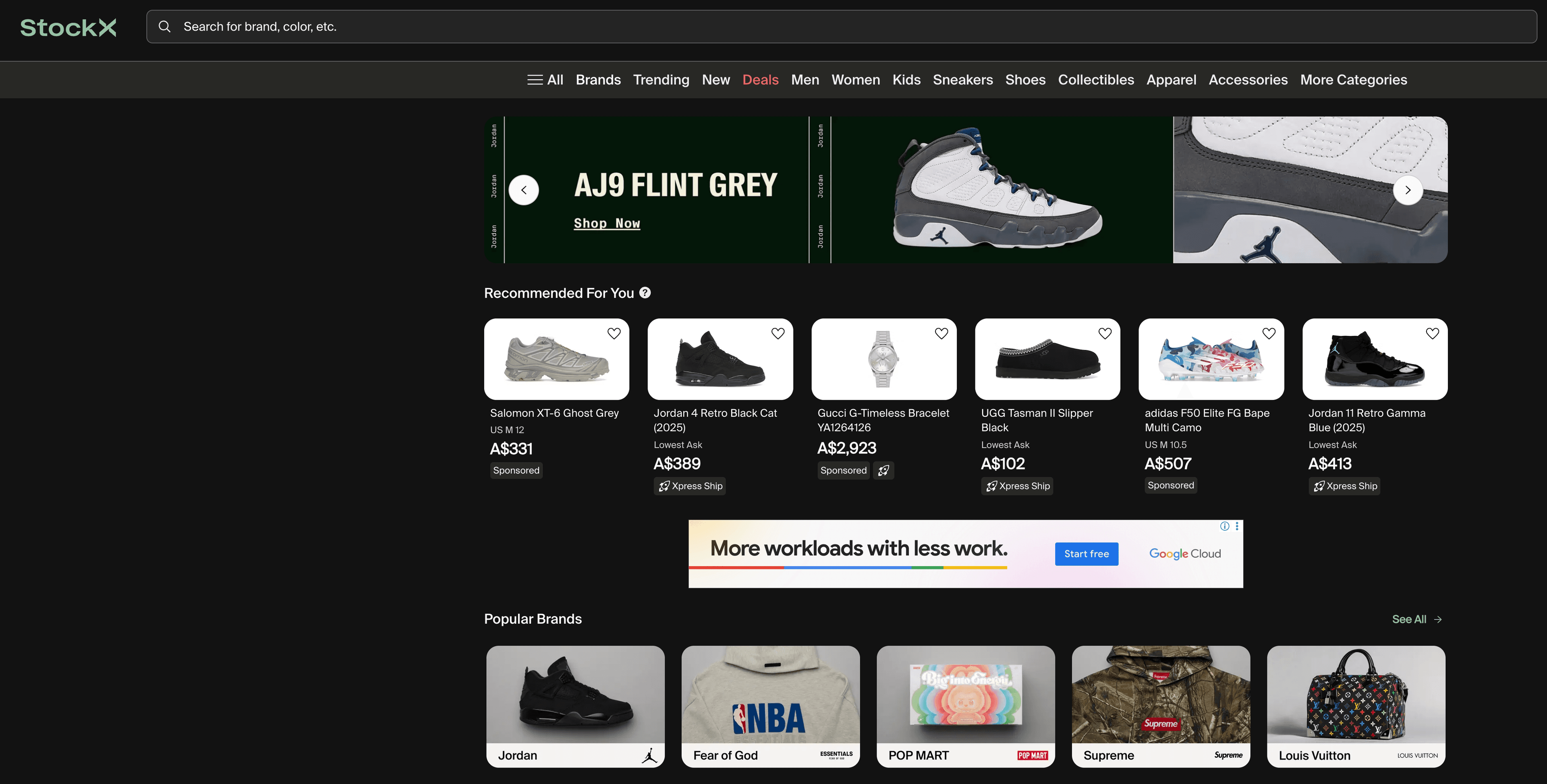
StockX is a US-based online marketplace connecting buyers and sellers of sneakers, clothing, watches and collectibles. By the late 2010s, it had already become a dominant name globally.
Australians knew the brand well. Between 2017 and 2019, more than 11 million visitors from Australia accessed StockX’s website and mobile app. StockX was regularly featured in Australian media, including the Australian Financial Review, Sydney Morning Herald and major television outlets. The business was generating significant revenue locally and internationally.
In practical terms, StockX had built substantial goodwill in Australia before it ever filed a trade mark here.
A six-day window that changed everything
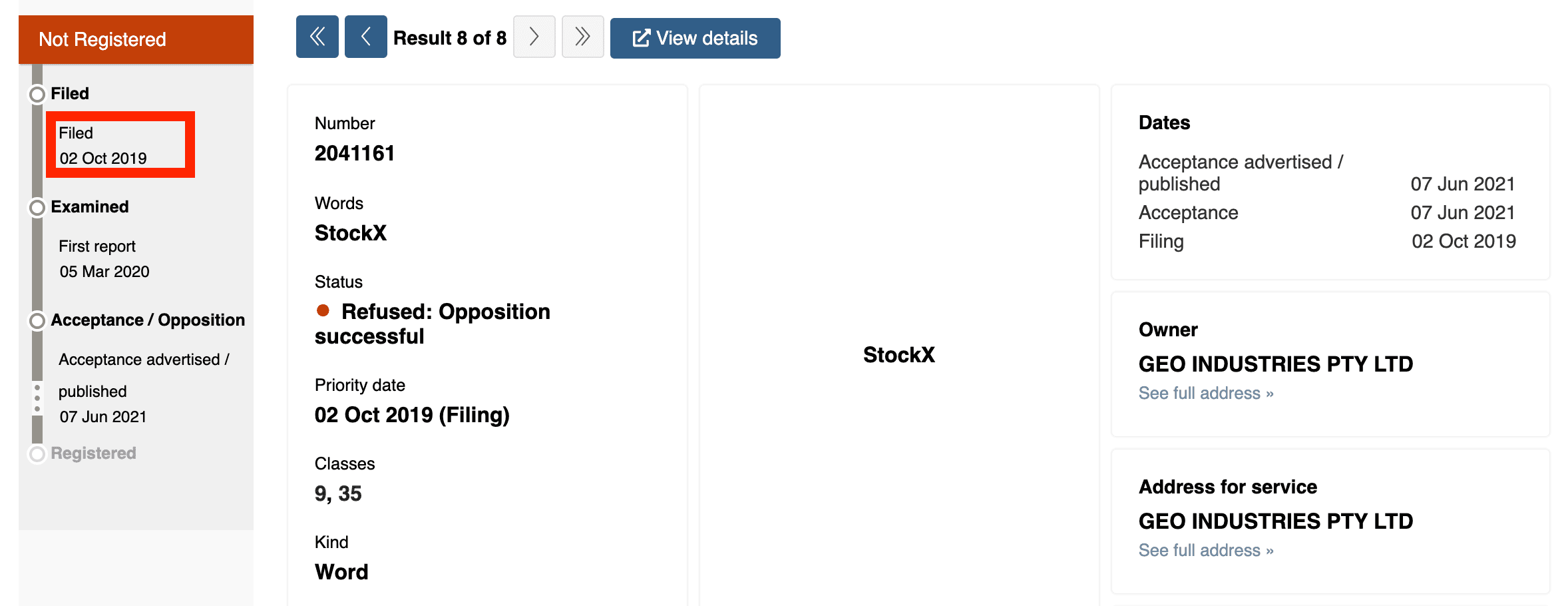
On 2 October 2019, an Australian company called GEO Industries Pty Ltd filed a trade mark application for “StockX”.
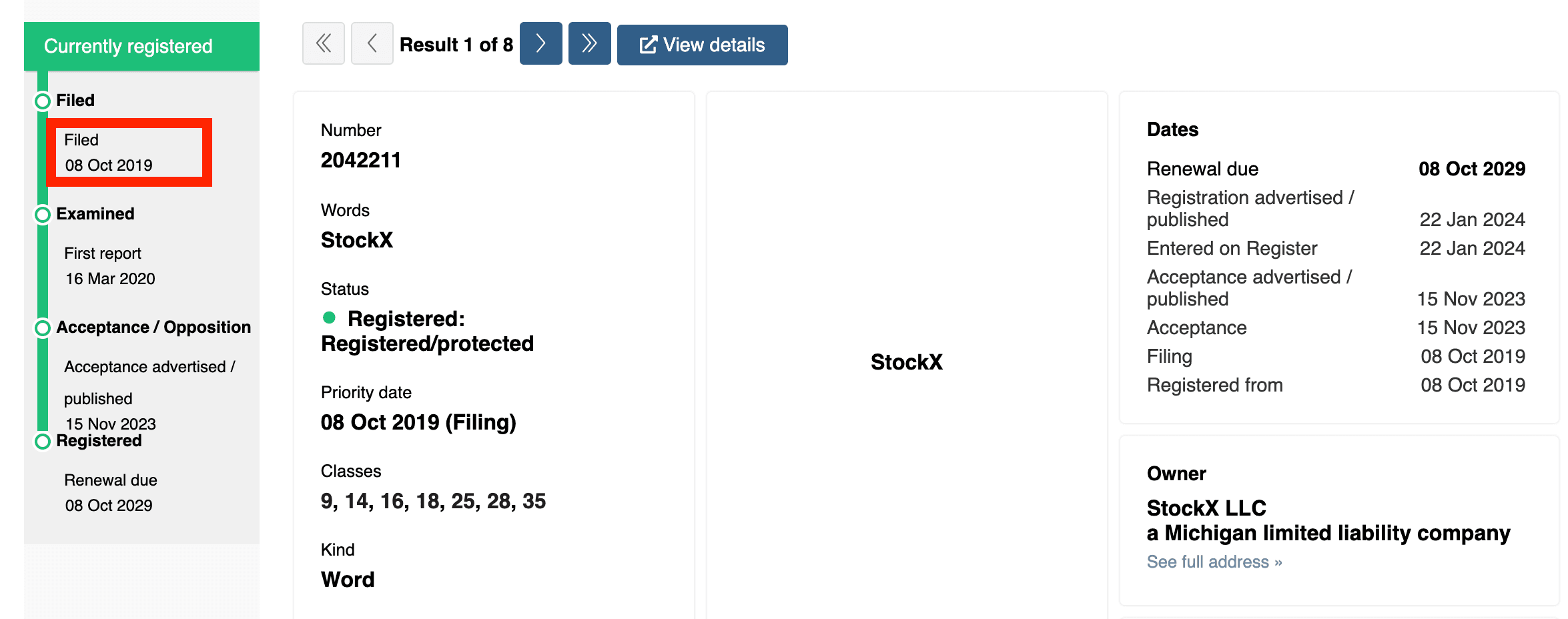
Six days later, on 8 October 2019, StockX LLC filed its own Australian trade mark application for STOCKX.
That six-day gap became the foundation of years of legal stress.
When the StockX application was examined, the examiner raised an objection under section 44 of the Trade Marks Act 1995. On paper, GEO Industries’ earlier-filed mark stood in the way.
From a purely administrative perspective, the examiner was correct. Trade mark law does not care who used the brand first in the world. It cares about filing dates.
From examination to opposition
Despite the objection, StockX’s application eventually proceeded and was advertised for acceptance on 7 June 2021.
That is when the real battle began.
GEO Industries filed a Notice of Intention to Oppose in August 2021, followed by a Statement of Grounds and Particulars. StockX filed a Notice of Intention to Defend. What followed was not a dispute between two competing businesses, but a forensic examination of intent.
StockX put forward detailed evidence through its General Counsel. GEO Industries, despite initiating the opposition, filed no evidence and made no submissions.
That silence mattered.
The hidden pattern that exposed a trade mark troll
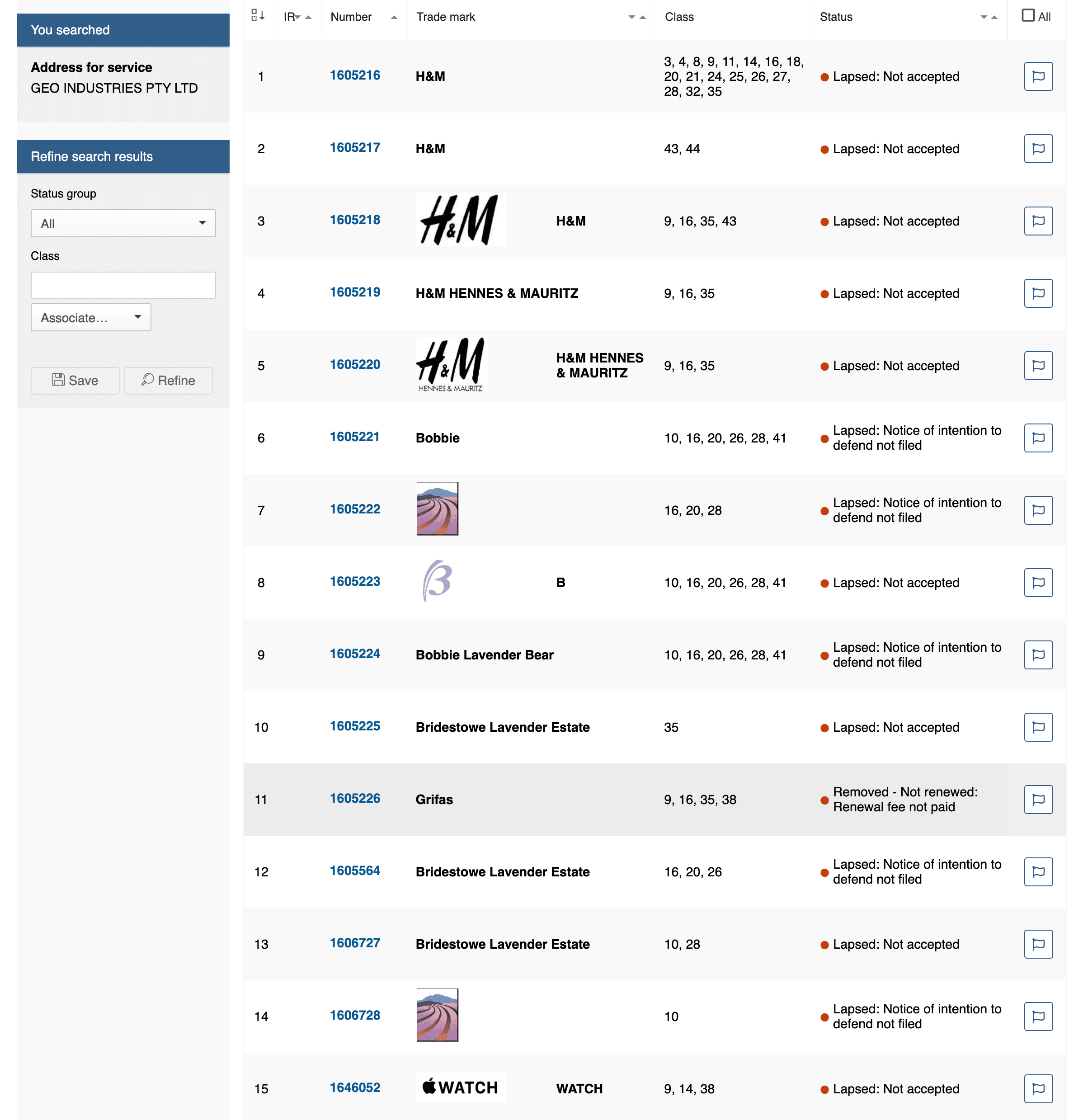
During the proceedings, a crucial piece of evidence emerged. GEO Industries had a history of filing Australian trade marks for famous global brands.
Before the relevant date, GEO Industries had applied to register marks including:
- H&M
- TESLA
- UBER
- Apple Watch
- ALEXA CHUNG
We also note that GEO Industries Pty Ltd continues to file trade marks.
These were not borderline brands. They were globally recognised names, many listed among the world’s top 500 brands.
No explanation was provided as to why GEO Industries needed these marks, how they intended to use them, or whether they had any connection to the brand owners.
This history transformed the case.
Section 62A: difficult, but decisive
Section 62A of the Trade Marks Act allows an application to be opposed on the basis of bad faith. It is one of the hardest grounds to succeed on. Bad faith does not mean fraud. It does not require dishonesty. It asks a broader question: did the applicant’s conduct fall short of acceptable commercial standards?
Australian courts have consistently described bad faith as including exploitative behaviour, opportunistic registrations, and attempts to gain leverage over the rightful brand owner.
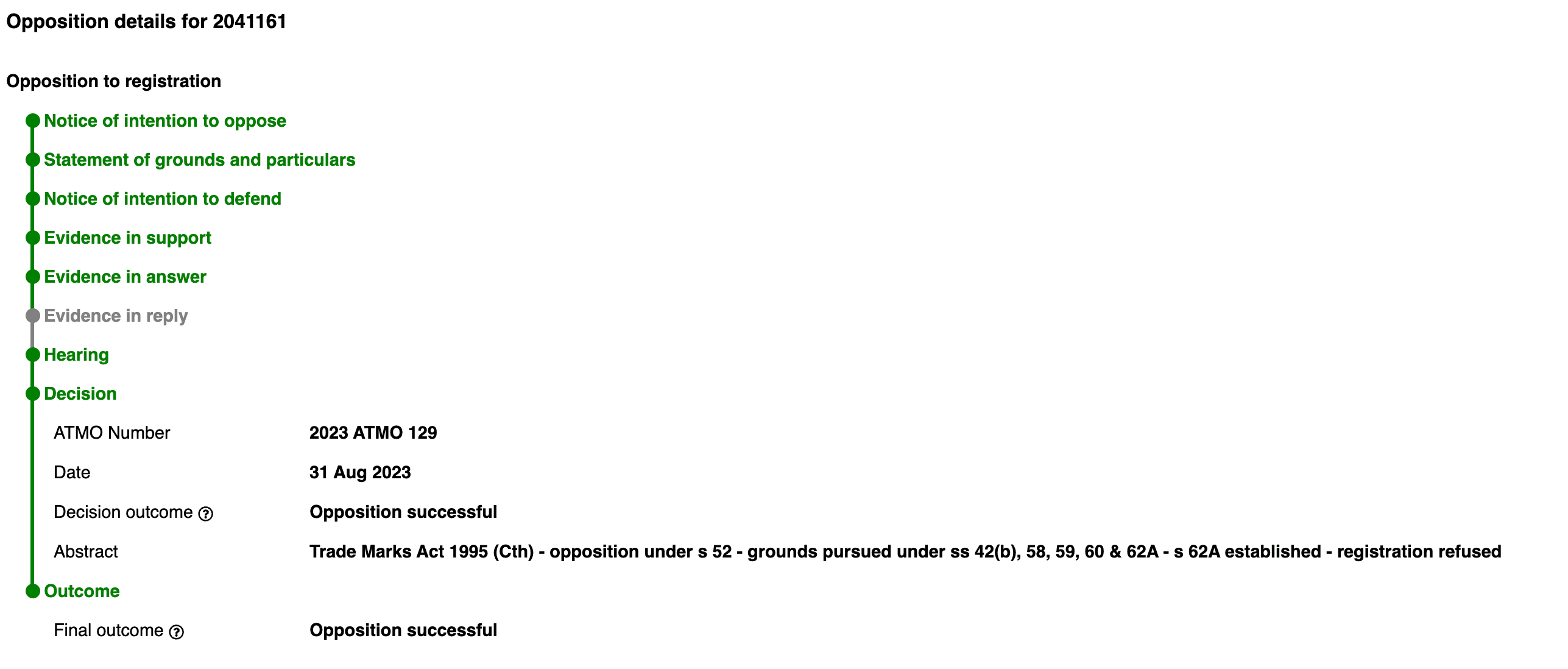
The Registrar found that:
- StockX was a unique and distinctive name.
- Independent coincidence was implausible.
- GEO Industries had a clear pattern of registering well-known brands.
- No explanation was offered to justify that behaviour.
Taken together, this was enough. The application was found to be exploitative, opportunistic and made in bad faith.
The opposition succeeded. GEO Industries’ trade mark was refused.
A victory that still came at a cost
StockX ultimately won. But it won after years of legal process, evidence preparation, and opposition proceedings that were entirely avoidable.
Had StockX filed its Australian trade mark one week earlier, none of this would have happened. No objection. No opposition. No reliance on the very high bar of section 62A.
This is the uncomfortable truth: even the strongest global brands are vulnerable if they delay filing.
What this means for founders and brand owners
Trade mark trolls do not build businesses. They monitor markets. They watch global brands. They file early and wait.
The law can deal with them, but only after time, cost and uncertainty.
The simplest defence is speed.
If you are launching a brand, rebranding, or expanding into Australia, your trade mark filing should happen immediately. Not after marketing. Not after traction. Not after revenue.
Trade marks are not just legal assets. They are defensive infrastructure.
At Joi, this is exactly the problem we built the platform to solve. Early visibility. Fast filing. Fewer surprises.
Because sometimes, the difference between peace of mind and years of opposition comes down to six days.

Syed Mosawi
Founder & Registered Trade Marks Attorney. Helping Australian businesses protect their greatest asset.
Start your free search