Case study5 min read·January 28, 2026
Building Joi with Nathan Chung: AI, Trade Mark Filing, and IP for Startups
Nathan Chung is one of the lead coders behind Joi and has become Brisbane's ambassador at Cursor. We caught up with him to talk about software engineering, AI in production, and building legally safe systems.

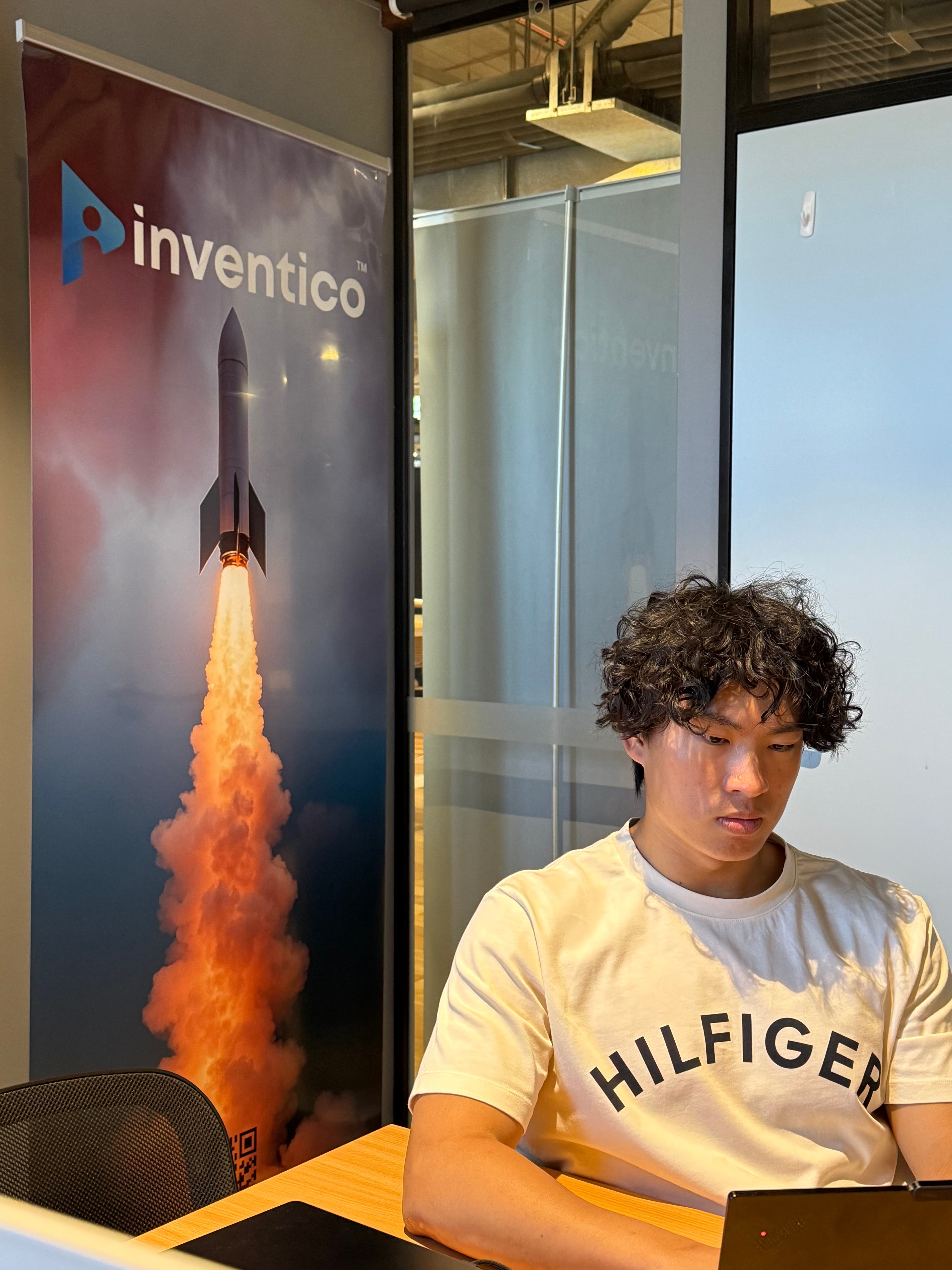
We’re thrilled to announce that Nathan Chung, one of the lead coders behind Joi, our online trade mark filing platform, has become Brisbane’s ambassador at Cursor, a platform empowering engineers to code smarter with AI. Congratulations, Nathan! His work has been key in making trade mark applications simpler, faster, and more reliable for startups and growing businesses.
We caught up with Nathan to talk about software engineering, AI in production, and building legally safe systems.
How the Role of Engineers is Changing
Nathan sees the job of engineers evolving with AI. “Engineers aren’t being replaced, but the work is changing. Writing syntax and boilerplate is cheaper than ever. What matters most now is system architecture, product judgement, testing, and running things in production. Tools like Cursor make you faster, but you’re still responsible for reliability, security, and whether it actually works.”
What Surprised Nathan About Trade Marks and IP
Working with trade marks and intellectual property revealed a lot of unexpected complexity. “I expected it to be complicated because it’s legal, but I didn’t realise how much depends on tiny wording and classification choices,” Nathan explains.
Even small changes in how you describe goods and services can affect the scope of protection, likelihood of objections, and enforceability of your trade mark. There’s also more judgement involved than most people realise. Platforms like Joi help streamline trade mark filing, avoid IP mistakes, and ensure compliance, making the process much easier for founders and startups.
Where AI Works and Where It Doesn’t
Nathan uses AI as a productivity booster. It’s great for scaffolding, refactoring, writing glue code, summarising documentation, drafting tests, and exploring options quickly.
But AI struggles with guarantees, edge cases, silent mistakes, or ambiguous and security-sensitive scenarios. Nathan emphasises the right approach: use AI with guardrails, constraints, validation, testing, and monitoring. This ensures outputs are reliable and safe for production.
The Biggest Challenges in Building Joi
Building Joi wasn’t about one magic model. The main challenge was taking messy user intent and turning it into structured, legally safe outputs, building defensive checks for common risk patterns, and making the system auditable and reliable in production. According to Nathan, it’s more about smart workflows, validation, and evaluation than a single AI tool.
Advice for Non-Technical Founders
Nathan recommends starting small and learning iteratively. Understand the basics of frontend, backend, database, authentication, and deployment. Pick a beginner-friendly stack, like Next.js plus Supabase, and build a small end-to-end feature. Use AI to write tests, debug errors, and learn quickly. Then add one feature at a time and deploy every time. That’s how real learning happens.
Key Takeaways
Nathan’s experience shows that building AI-powered software for trade mark filing requires a balance of technical skill, practical AI use, and legal understanding. Even with AI speeding things up, judgement, careful planning, and structured workflows are what make software and businesses successful.
We’re proud to have Nathan as part of the Joi team, and we’re excited to see him continue to grow as Brisbane’s Cursor Ambassador, helping engineers code smarter with AI. Congratulations again, Nathan!

Syed Mosawi
Founder & Registered Trade Marks Attorney. Helping Australian businesses protect their greatest asset.
Start your free search